What Is a Detroit Beat and Why Do Rappers Keep Choosing That Sound?
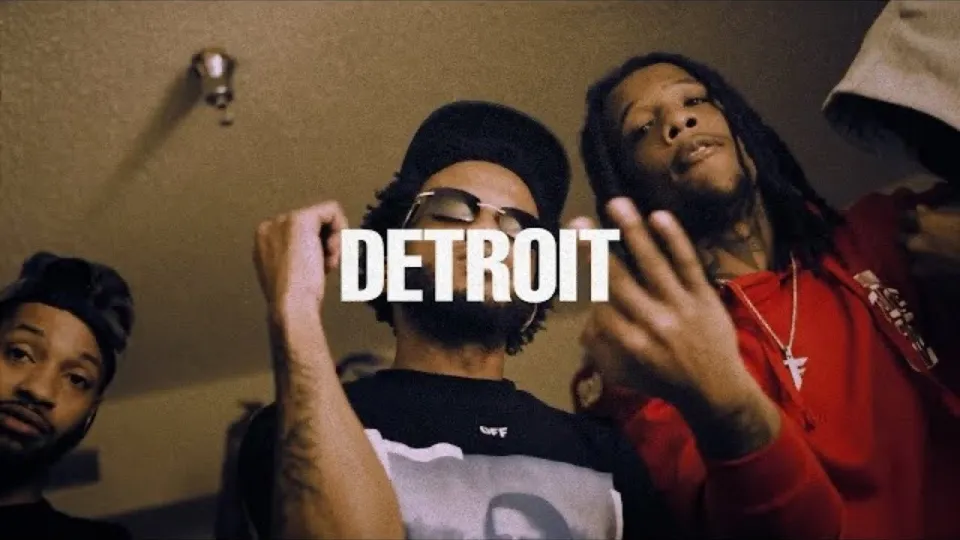
Need articles like this for your video? They help promote it on YouTube and Google — order them in the Telegram bot @sat_sit_bot. It writes articles around your video, embeds the video and publishes them on popular niche websites (no ads). Your first 50 articles are free.
· based on the channel Damerunitup
A Detroit beat is a hard, dark rap instrumental built on fast punchy drums, deep 808 bass and minor-key melodies, and it is the backbone of Detroit-style street rap. If you are looking for a free example, the Detroit type beat "Trenches" by the channel Damerunitup is available through the buy-one-get-one-free beat store, where you can grab it for a demo or license it for release. This article breaks down what actually makes a Detroit beat sound the way it does, how to use one, and what you need to know before you upload a song to streaming.
What defines the Detroit beat sound
A Detroit beat is recognisable within the first two bars because of three stacked elements: the drums, the bass and the mood. The drums are aggressive and tightly quantised, with a hard kick and snappy claps or snares that punch through the mix. Underneath sits a long, distorted 808 that carries the low end and gives the track its weight. On top, producers usually place a simple, cold melody — a piano loop, a bell, a plucked synth or a sampled vocal chop — in a minor key.
The result is music that feels tense rather than melodic. It leaves space for a rapper to talk about street life, money and survival without the beat competing for attention. That is why the style is often described as Detroit drill or hard Detroit type beat: the energy is closer to drill than to trap, but the swing and the bass tone come from the Midwest.
Tempo, drums and 808s in numbers
A Detroit type beat usually sits between roughly 130 and 160 BPM, but it rarely feels that fast. Producers program the drums in a halftime pattern, so the snare lands on the third beat and the listener hears a slow, heavy groove while the hi-hats keep rolling at double speed. That contrast is the engine of the whole style.
A few practical markers to listen for:
- Kick pattern: a strong downbeat kick plus syncopated hits that push the rapper forward.
- Snare or clap: dry, loud and slightly layered, often with a short reverb tail.
- 808: long sustain, audible distortion and a glide between notes rather than clean sub-bass.
- Hi-hats: fast rolls, occasional triplets and open-hat accents that mark the end of phrases.
- Melody: two to four bars, looped, with almost no chord movement.
When rappers say a beat is "hard", they usually mean this combination — not the tempo alone. A Detroit beat at 140 BPM can feel slower and heavier than a trap beat at the same speed because of how the drums are placed.
How to use the free "Trenches" Detroit type beat
The "Trenches" beat is published as a free Detroit type beat, which means you can download it and record a demo without paying upfront. The workflow is simple:
- Open the beat page at https://bsta.rs/57l1i and listen to the full arrangement.
- Choose the license that matches your plans — a free or basic tier for demos, a paid tier if the song will go to streaming.
- Download the untagged files and record your vocals over the beat in your DAW.
- Keep the receipt or license file; distributors and rights holders may ask for it.
- Upload only after the license covers the platforms you are targeting.
The buy-one-get-one-free offer on the same page means that purchasing one beat license gives you a second beat at no extra cost, which is useful if you are building an EP rather than a single.
Free download versus license: what actually matters
A free Detroit type beat is free for listening, practice and non-commercial use, but it is not free for release. The producer's own description states plainly that songs uploaded to Spotify and Apple Music without a license will be hit with copyright claims. In practice that means a distributor can reject your track, or your release can be taken down after it goes live.
Licensing also decides how much you can earn and how the credit line should read. Most type beat licenses are non-exclusive, so the producer keeps selling the same instrumental to other artists; an exclusive license removes that option and costs more. Before you buy, check three things: the number of streams or sales allowed, whether monetisation on YouTube is permitted, and whether you must credit the producer in the title or description.
Why listeners slow this beat down
One of the most repeated reactions to "Trenches" is that it sounds even better at reduced speed. Slowing a Detroit beat to 0.75x or 0.5x stretches the 808s, smears the hi-hats and turns the drums into a syrupy, almost chopped-and-screwed groove. For a rapper, that changes the pocket completely: the same 16 bars suddenly have room for a slower, more menacing delivery.
This is not a flaw in the beat. Detroit instrumentals are already built on halftime patterns, so they tolerate tempo changes well. If you are writing to the beat, try it at full speed first to learn the phrasing, then drop the speed and see whether your flow sits better. Many artists end up recording at the original tempo and only using the slowed version for a hook or a skit.
Common questions from artists picking a Detroit beat
New buyers tend to run into the same handful of issues, and most of them come down to licensing and file handling rather than the music itself.
- Untagged files: a free download often arrives tagged or as a lower-quality MP3. If you hear a voice tag over the beat, that is the demo version — the clean files come with a paid license.
- Trackouts: if you plan to mix professionally, ask whether individual stems are included. Mixing over a single stereo file limits how much you can shape the drums.
- Credit and metadata: register the beat's title and producer name correctly in your distributor's metadata so royalties and content ID claims are routed properly.
- Multiple songs, one beat: a non-exclusive license usually covers one song. If you want to use the same instrumental for a remix or a second track, check the terms first.
Getting these details right before recording saves a takedown later, and it also makes you easier for producers to work with on future placements.
Useful links
- Buy or license the "Trenches" Detroit type beat (buy one, get one free): https://bsta.rs/57l1i
- Beat store and catalog: https://damerunitup.com/
- Instagram: https://www.instagram.com/damerunitup/
- Contact: Dame@damerunitup.com
The bottom line on Detroit beats
A Detroit beat works because it does one thing extremely well: it gives a rapper space and weight at the same time. Fast, hard drums and long 808s create the pressure; a simple minor melody keeps the focus on the vocals. If you want to test the sound for yourself, the free Detroit type beat "Trenches" from the channel Damerunitup is a solid starting point — grab it through the beat store link, take advantage of the buy-one-get-one-free deal, and make sure the license you choose matches where you plan to release the song. Do that, and the beat stops being a free download and starts being a finished record.
Key takeaways
- A Detroit beat is a hard-hitting rap instrumental built on fast punchy drums, deep 808 bass and dark minor-key melodies.
- Typical Detroit type beat tempo sits around 130–160 BPM with a halftime feel, so the track raps slower than it counts.
- The free Detroit type beat "Trenches" by Damerunitup is available for download via https://bsta.rs/57l1i with a buy-one-get-one-free offer.
- Free downloads are for demos only: uploading a song to Spotify or Apple Music without a license triggers copyright claims.
- Listeners often slow the beat to 0.75x or 0.5x speed, which turns Detroit drums into a heavy, syrupy groove.
Source: [FREE] Detroit Type Beat - "Trenches" · Markdown version
Questions & answers
What tempo is a Detroit type beat usually made at?
Most Detroit type beats sit between roughly 130 and 160 BPM, but they are programmed with halftime drums, so the snare lands on the third beat and the track feels slower than the number suggests. That is why a Detroit beat at 140 BPM can feel heavier than a trap beat at the same tempo.
Can I upload a song on a free Detroit type beat to Spotify?
Not without a license. Free downloads are intended for demos and practice, and the producer states that songs uploaded to Spotify or Apple Music without a license will receive copyright claims. Buy the appropriate license tier before you distribute.
Why do people slow Detroit beats down to 0.75x or 0.5x?
Slowing the beat stretches the 808s and softens the hi-hats, which creates a heavier, syrupy groove and leaves more room for a slower vocal delivery. Because Detroit drums are already built on halftime patterns, they hold up well when the tempo is reduced.
What does the buy-one-get-one-free offer include?
Buying one beat license through the producer's store gives you a second beat at no extra cost, which is useful when you are building an EP instead of a single. Check the individual license terms, since stream limits and credit requirements still apply to each beat.